Day 24 was a museum day — the kind where you walk from one gallery to another, letting the art do the thinking while your legs do the work. Two museums, two very different Georgian artists, and a park bench to process it all.
🎨 Lado Gudiashvili Museum
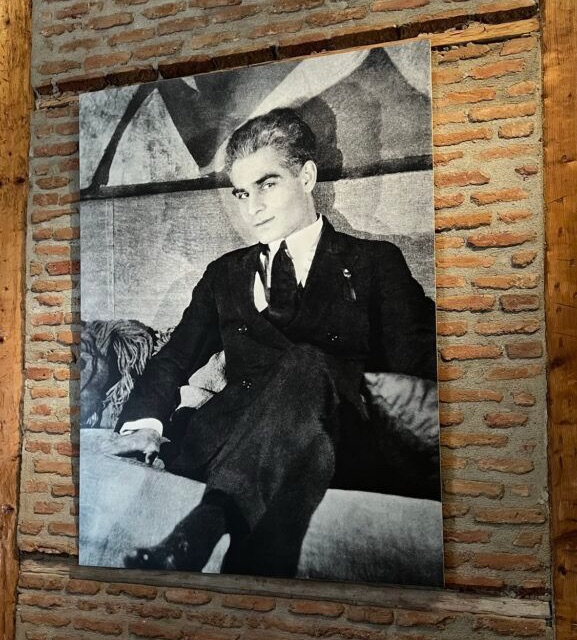
First stop: the Lado Gudiashvili Museum — 15 GEL. Gudiashvili (1896–1980) was one of Georgia’s most significant 20th-century painters, a master of modernism and the avant-garde who studied in Paris and brought those influences back to Tbilisi. His work spans decades and styles, but running through all of it is a tension — hope and darkness coexisting in the same frame, on the same canvas, sometimes in the same brushstroke.
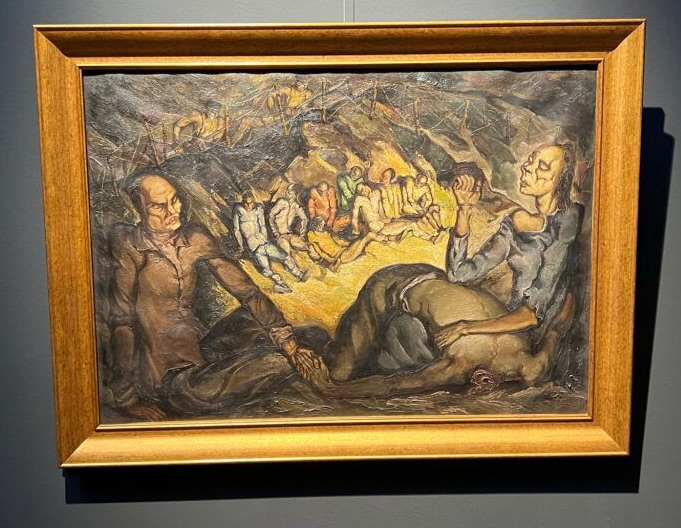
Those were my main thoughts as I walked through the gallery. The beauty in Gudiashvili’s work is never simple — it’s complicated by history, by politics, by the weight of being a Georgian artist who lived through Soviet rule and never stopped painting what he believed.
My favourite pieces:
- The Secret Beauty
- The Generosity of Fascism
- China Doomed People
- Still Life Tbilisi
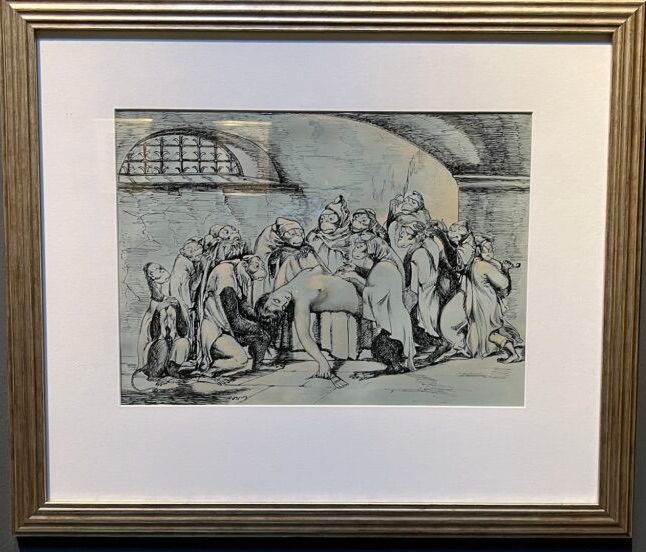
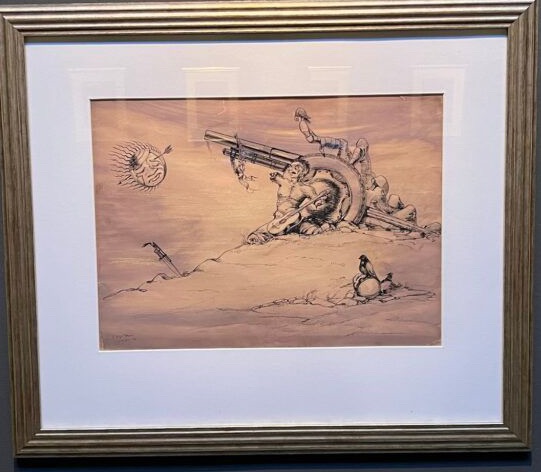
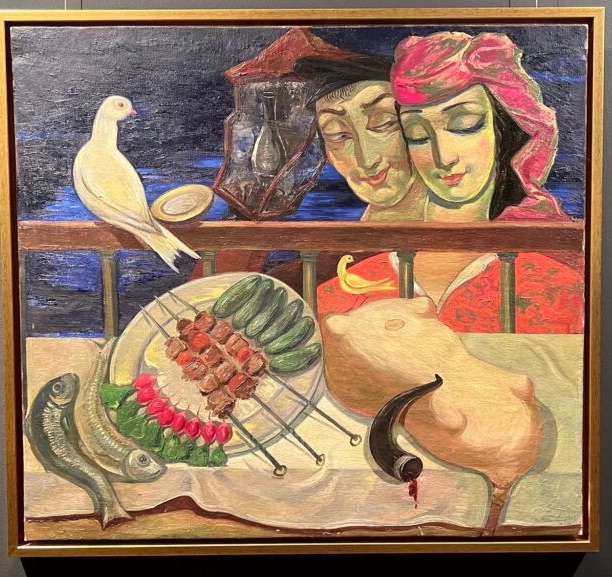
The titles alone tell a story. Gudiashvili didn’t shy away from naming things. “The Generosity of Fascism” — that title in a Soviet republic, painted by an artist who’d seen what ideology does to people. “China Doomed People” — a painting of a nation in turmoil, rendered by a Georgian who understood occupation. And then “Still Life Tbilisi” — a quieter work, a love letter to the city he called home. The range says everything about the man.
🎨 National Gallery — Temo Javakhi
Second stop: a return to the National Gallery — 25 GEL. I’d visited before, but the first floor was closed on that occasion. This time it was open, and the featured artist was Temo Javakhi — a contemporary Georgian artist whose philosophy is to break out of structured paradigms. His art reflects his views: nothing is contained, nothing conforms, every piece is an argument against the expected.
Favourite pieces:
Flying Is Prohibited Here!
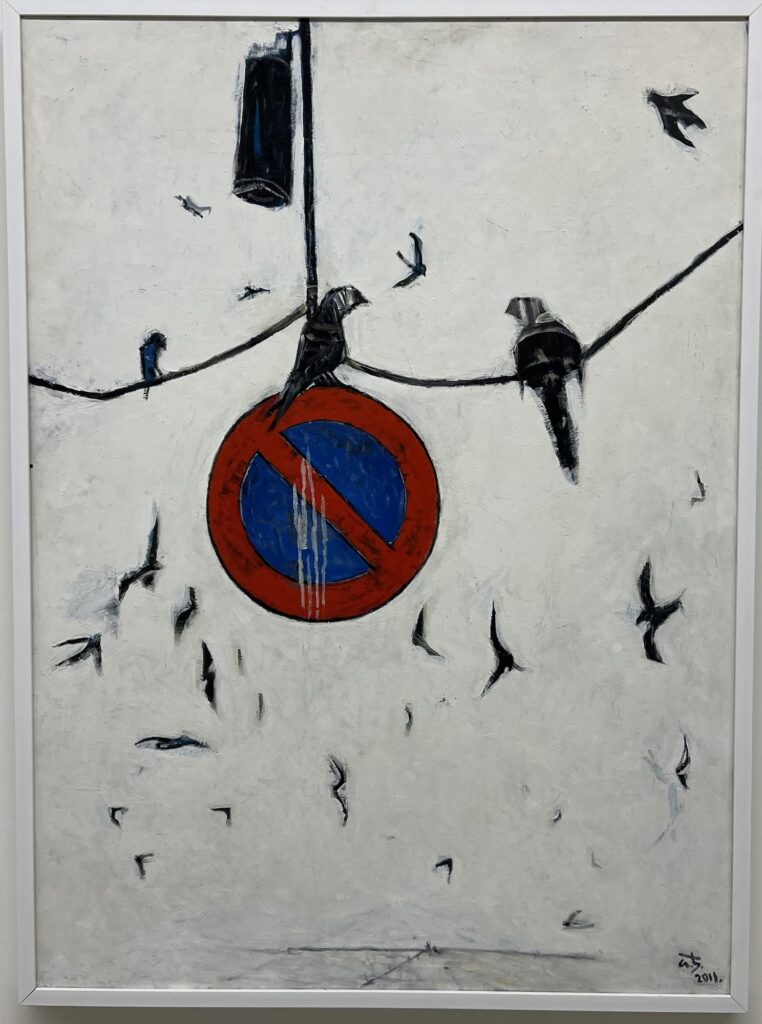
Stupid (Suleli) — In Georgian, the word suleli means a mad or irrational person. But the word itself suggests something deeper: constant waiting for an imagined event — something that, of course, will never happen, leading to endless despair. There is no equivalent in English. The closest we have is “fool” or “madman,” but those don’t carry the same weight of tragic anticipation. Suleli isn’t just stupid — it’s the specific melancholy of waiting for something you know won’t come and being unable to stop.
That’s the gift of experiencing art in another language. Words appear that have no translation, concepts emerge that your native tongue never gave you a handle for. Javakhi’s Suleli taught me something about Georgian that no phrasebook could.
Nacari (Ash) — The word nacari means ash, but the title is based on wordplay specific to the Georgian language that cannot be fully reproduced in English. The root suggests that every being and existence, every living creature, human being, fire itself, and even ash, has come from the sky, and therefore is nacari (from the sky). It’s a cosmology compressed into a single word. A painting made of language as much as pigment.

🌳 Giorgi Leonidze Park
After the museums, I rested at Giorgi Leonidze Park — a small green space near the galleries, shaded by plane trees. I took a look at some newly constructed real estate in the area. Tbilisi’s development continues to surprise me: modern buildings rising beside Soviet-era blocks, new cafés opening in old courtyards. The city is in motion, and every rest day reveals another layer of that motion.
By the Numbers
| Item | GEL | EUR (≈) |
|---|---|---|
| Lado Gudiashvili Museum | 15.00 | €5.10 |
| National Gallery (return visit) | 25.00 | €8.50 |
| Total | 40.00 | €13.61 |
Leave a Reply