
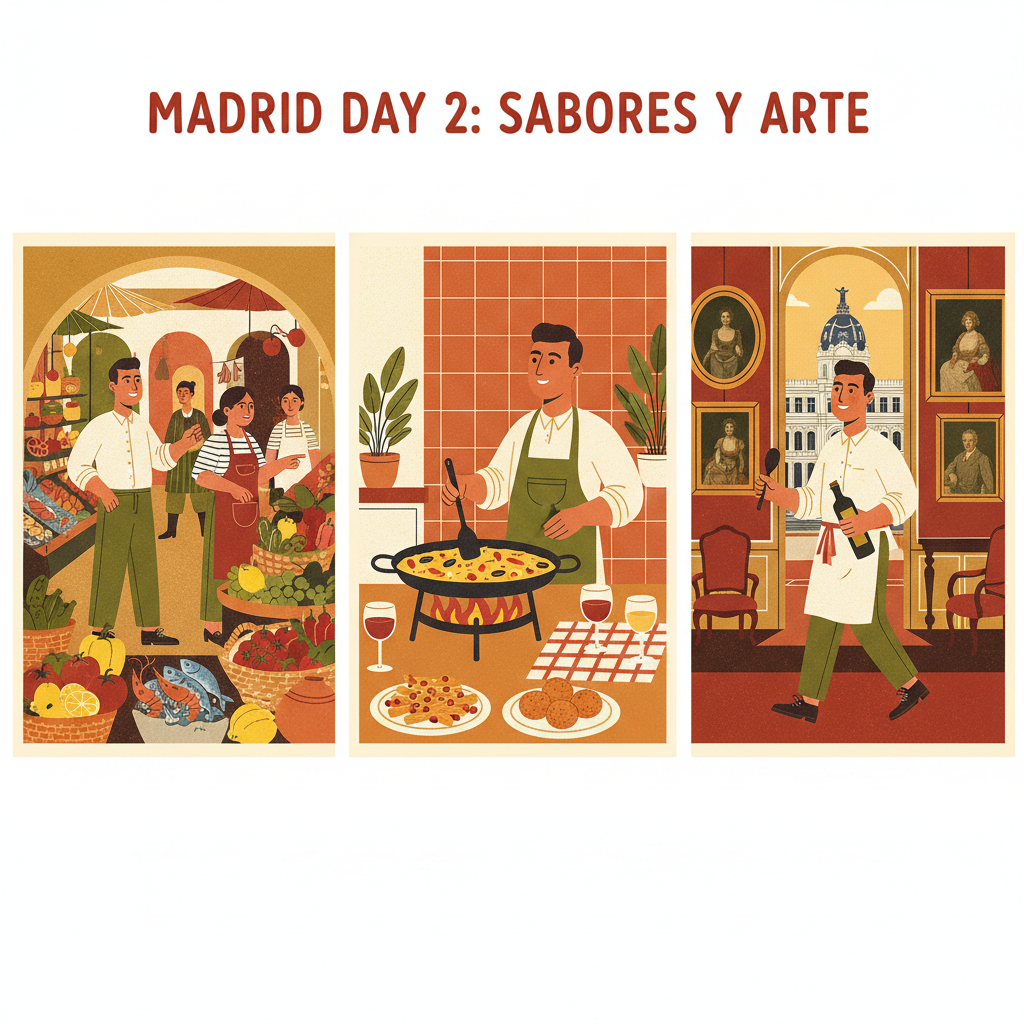
Madrid. Day 2. Today’s mission was clear: tapas and paella. What I got was a full Spanish culinary education, a vermouth buzz, a museum of Romanticism, and a lesson in the strict, unforgiving definition of paella.
Breakfast first: €17.1 for waffle, eggs, and coffee. The kind of breakfast that knows you are about to spend four hours cooking and eating.
Palate — Tapas & Paella Cooking Class
Our host was Arantxa, assisted by Laura. We started with a visit to the market where fresh ingredients were picked for the class. This is the right way to begin: not with recipes, but with ingredients. Seeing what is fresh, touching the produce, watching the fishmonger wrap seafood in paper. A cooking class that starts in a market is a cooking class that respects its raw materials.
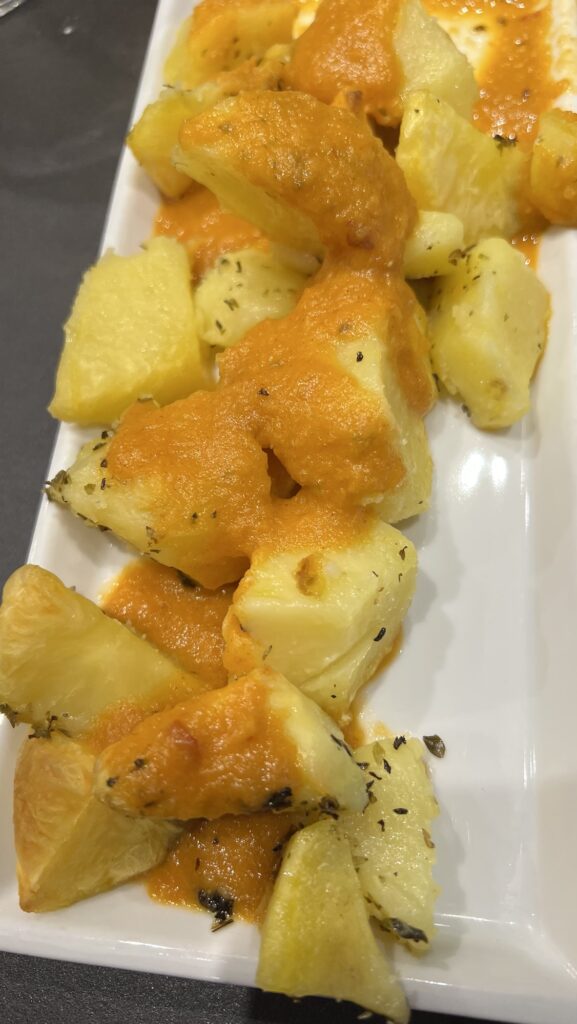
First up: Papas Bravas, a traditional Madrid dish. The sauce came first — a rich, smoky, paprika-forward concoction that defines the dish. Then potato preparation: cutting, boiling, seasoning, and into the oven to roast. While they cooked, we sampled vermouth, wine, cheese, bread, and olive oil. All delicious. The vermouth in particular was a revelation — sweet, herbal, the kind of thing that makes you wonder why it is not more popular outside Spain.
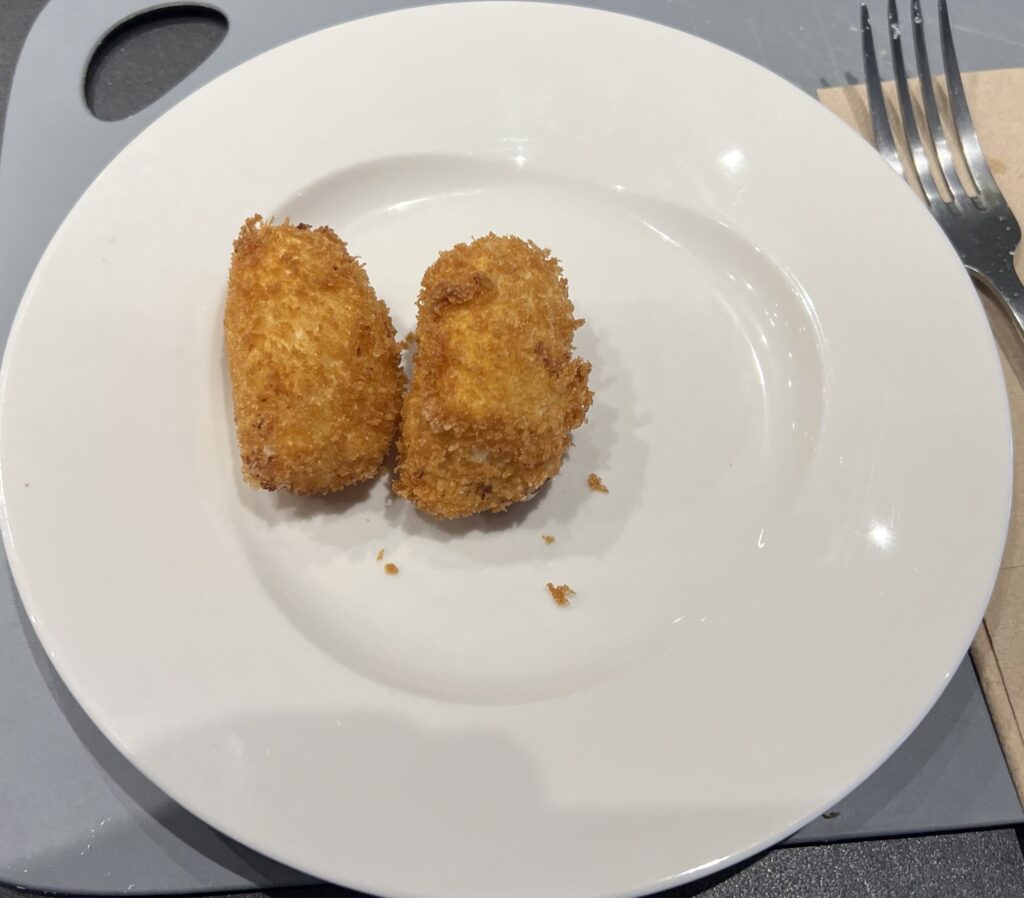
Next: croquetas. Prepared from scratch, fried to golden perfection. The bechamel base, the breading technique, the oil temperature — each step precise. A good croqueta is a small miracle of texture: crisp shell, creamy interior.
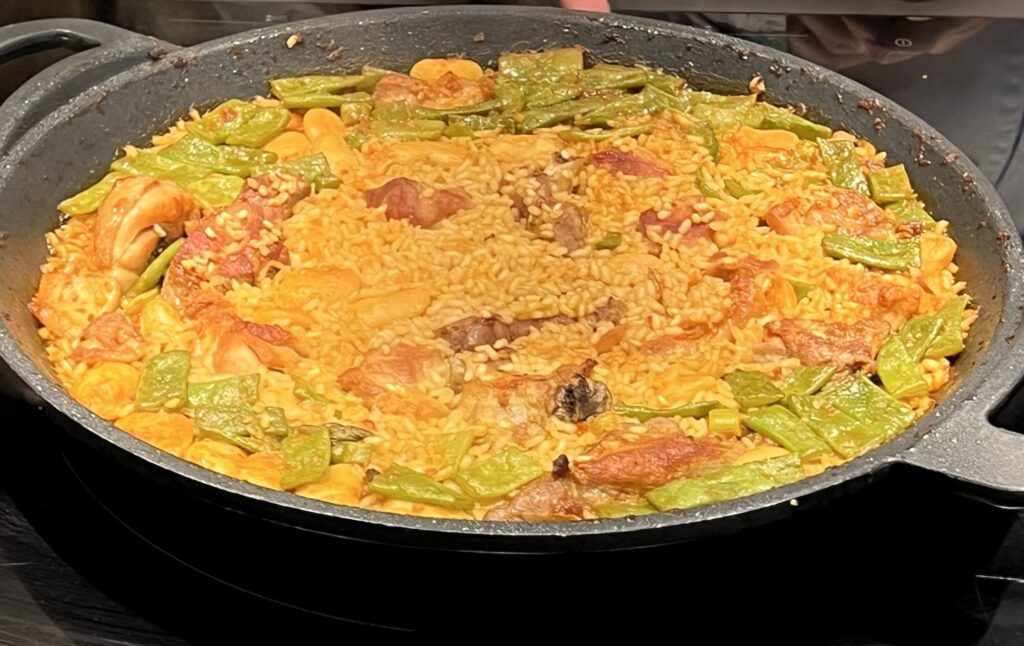
Finally: paella. Arantxa was very clear on this point: paella is a specific dish with certain ingredients. Dishes that deviate from the recipe are, technically, some form of rice dish — not paella. Saffron, short-grain rice, the right pan, the socarrat (that caramelised crust at the bottom). No chorizo. No peas. No improvisation. Paella is a discipline, not a suggestion.
The final product was delightful, but we had eaten so much food by then that most of the class only ate about half their portions. A cooking class that leaves you too full to eat the food you made is, by any measure, a successful cooking class.
Recipes from the class (Canva link)
The Olive Oil Quest
After the class I wanted to head to Comunal for an olive oil tasting. I took the subway — free with my Madrid City Card — and was shocked at how packed the train was due to strikes. Madrid’s public transport is excellent until it is not, and today it was a moving sardine tin.
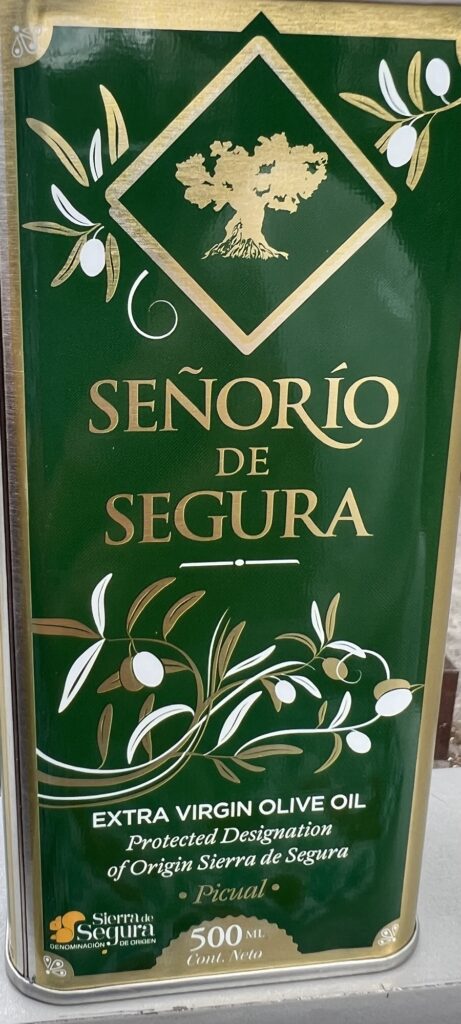
I got to Comunal — and they close at 14:00 on Saturdays. Of course they do. I found a nearby market and bought some olive oil to take back home instead. Sometimes the quest that fails still ends with a bottle in your bag. That counts.
Museo del Romanticismo
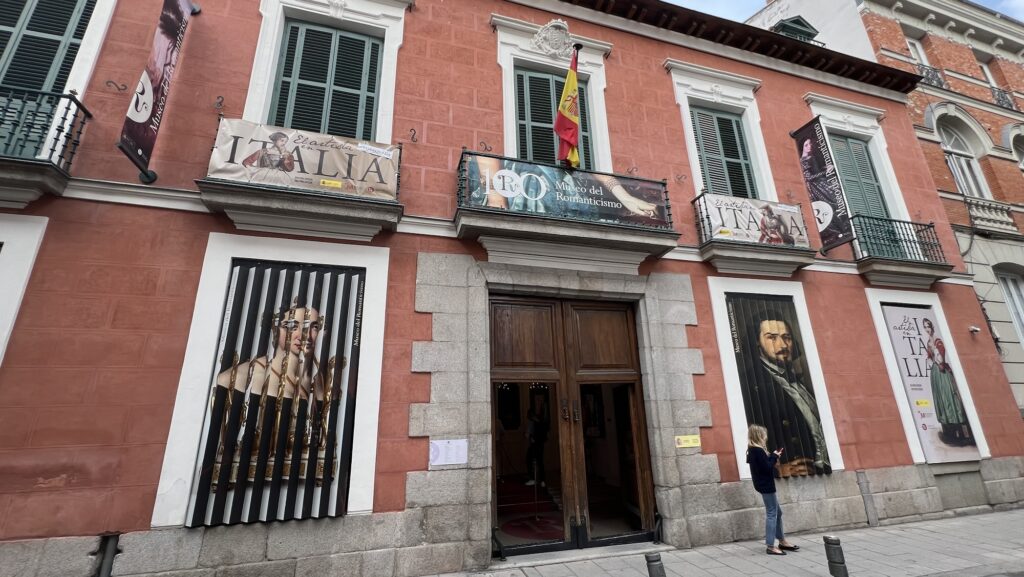
Nearby was the Museo del Romanticismo — a restored 18th-century palace turned house museum showcasing how a wealthy 19th-century Spanish family lived. The rooms are preserved as they would have been: period furniture, porcelain, chandeliers, an Errard harp, a Pleyel piano, children’s toys, even a collection of the pistols that a gentleman might carry.
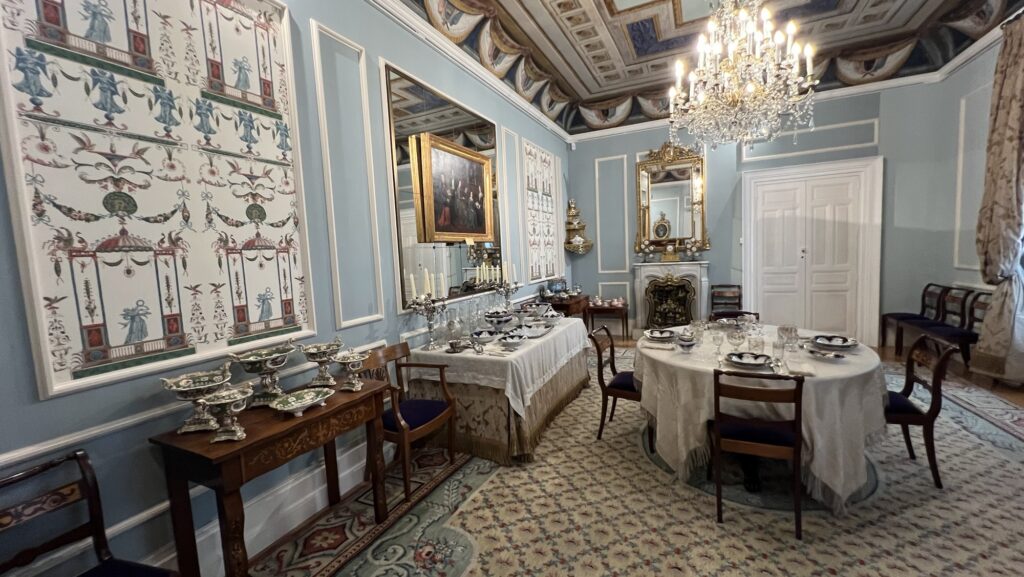
There is a Goya in the oratory — a small chapel off the main rooms. The whole place feels intimate, like visiting someone’s home rather than a museum. Two key artists featured:
- Luis de Madrazo
- Vicente Palmaroli
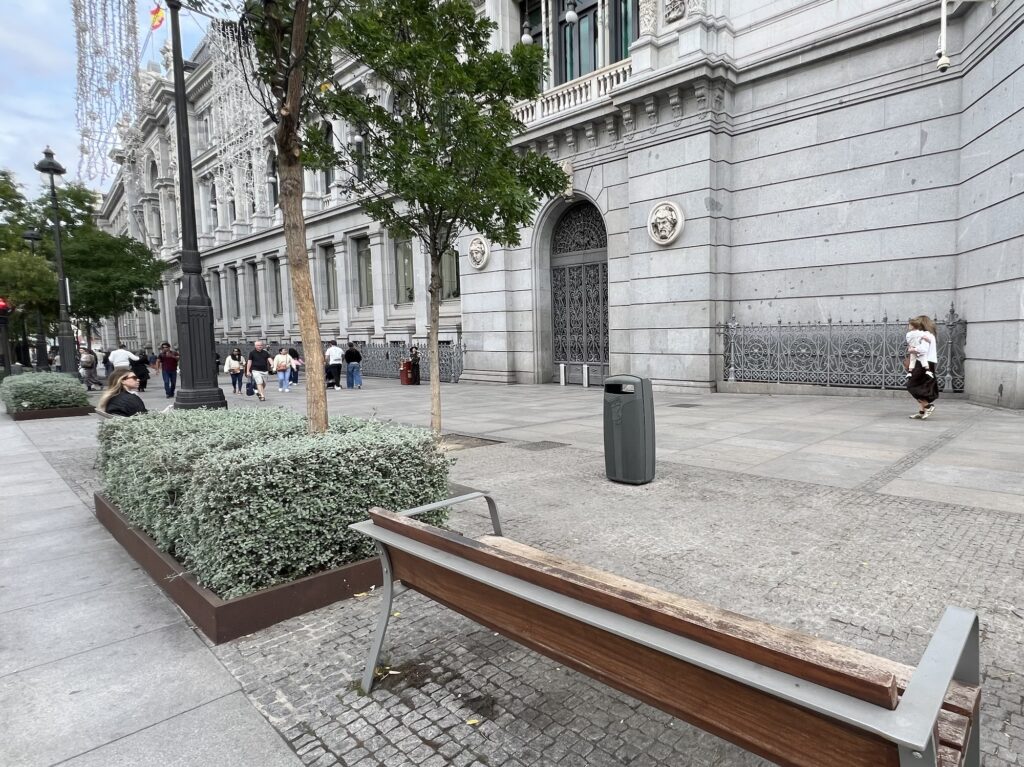
After that I walked back toward my hotel but found a cozy bench in front of the Banco de España and sat. Just sat. Took in the day. The cooking class, the missed olive oil tasting, the strike-packed subway, the 19th-century palace. Madrid on a Saturday. The bench was the best part — the moment of stillness that the itinerary does not schedule but the day always needs.
By the Numbers
Breakfast: €17.1
| Item | EUR |
|---|---|
| Breakfast (waffle, eggs, coffee) | €17.1 |
| Cooking class ($109.0 USD) | €100.28 |
| Olive oil | €11.0 |
| Total | €128.38 |
Leave a Reply