
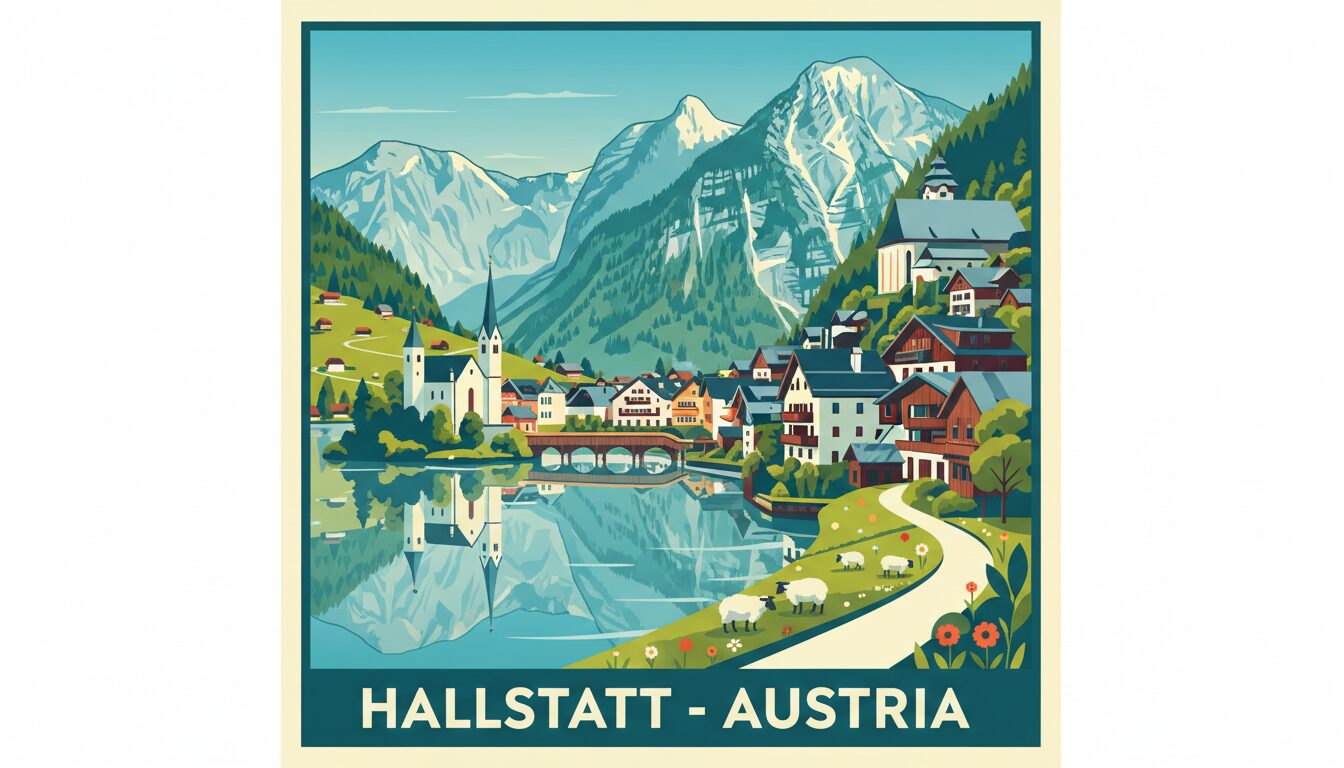
Day 5 — a 550 km loop through the Austrian countryside: Sophi’s historical anecdotes, a thousand-year-old castle on a lake, and Hallstatt, the village so perfect they built a replica of it in China.
The route: Vienna → Strengberg → Gmunden → Hallstatt → Voralpenkreuz → Vienna. Nine stops. One day. A lifetime of scenery.
🍽 First Stop — Landzeit Strengberg
On the A1 West Autobahn between Vienna and Salzburg sits Landzeit Strengberg, and calling it a “rest stop” feels like calling the Sistine Chapel a “painted ceiling.” Landzeit is an Austrian institution — motorway restaurants that operate more like quality country inns. Clean, quiet, with genuinely good food and coffee served by staff who seem to actually care. It has been ranked among the 10 best rest stops in Europe.
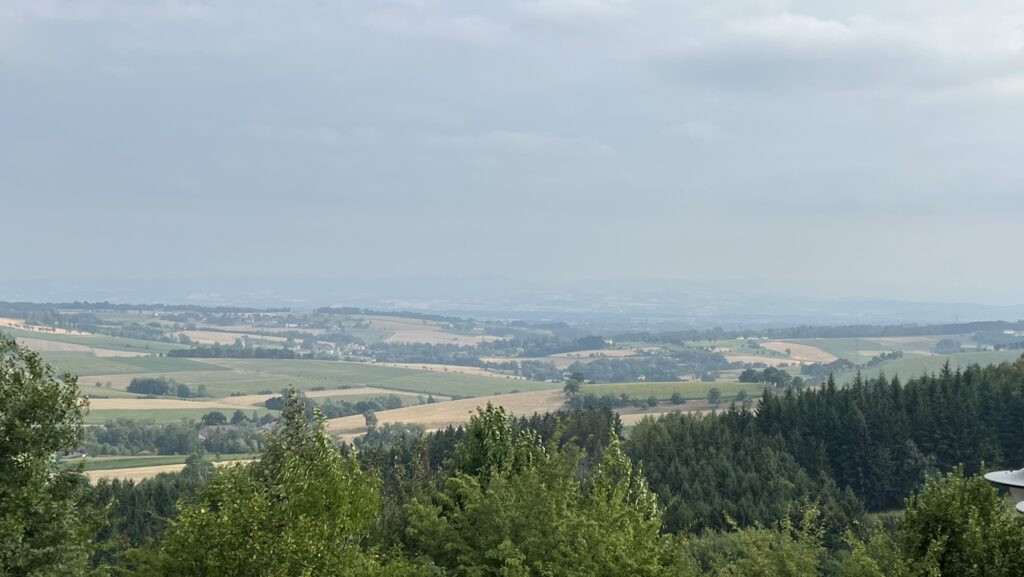
Sophi — our tour guide — used this first pause to set the tone: historical anecdotes delivered with the kind of casual expertise that only comes from someone who has made this drive a hundred times and still finds it interesting.
👁 Vista — Schloss Ort, Gmunden
On the shores of Lake Traunsee in the town of Gmunden sits Schloss Ort — a white castle that looks like it was placed on its tiny island by a cinematographer, not a medieval nobleman.
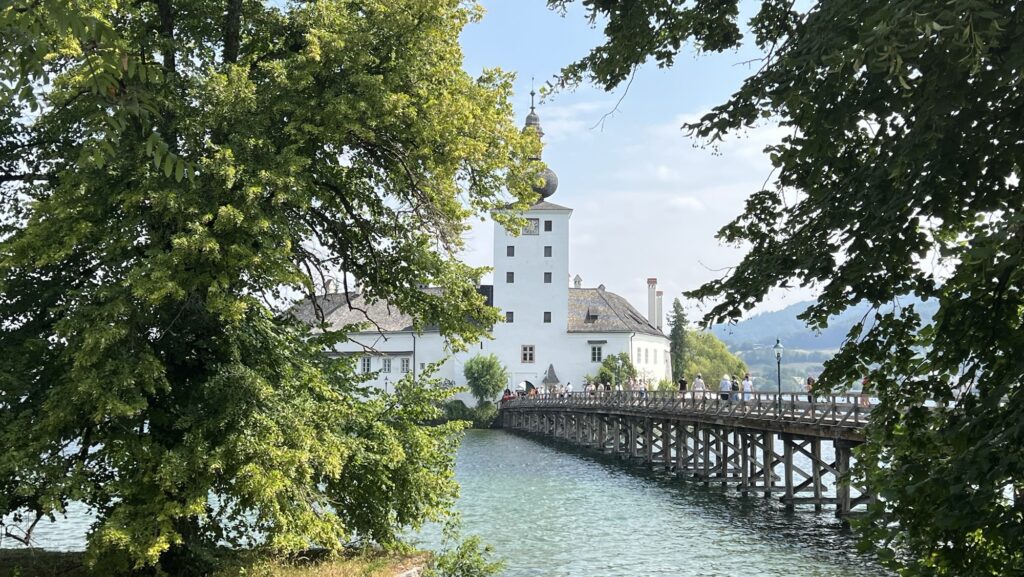
Founded around 1080 by Hartnidus of Ort, the castle has been watching over the Traunsee for nearly a thousand years. It consists of two parts: the Seeschloss (lake castle) on a small island, connected to the shore by a wooden bridge, and the Landschloss (land castle) on the bank. The setting is absurdly photogenic — turquoise water, alpine peaks, and a white castle with red roofs that seems to float. It is one of the oldest and most famous buildings in the entire Salzkammergut region.
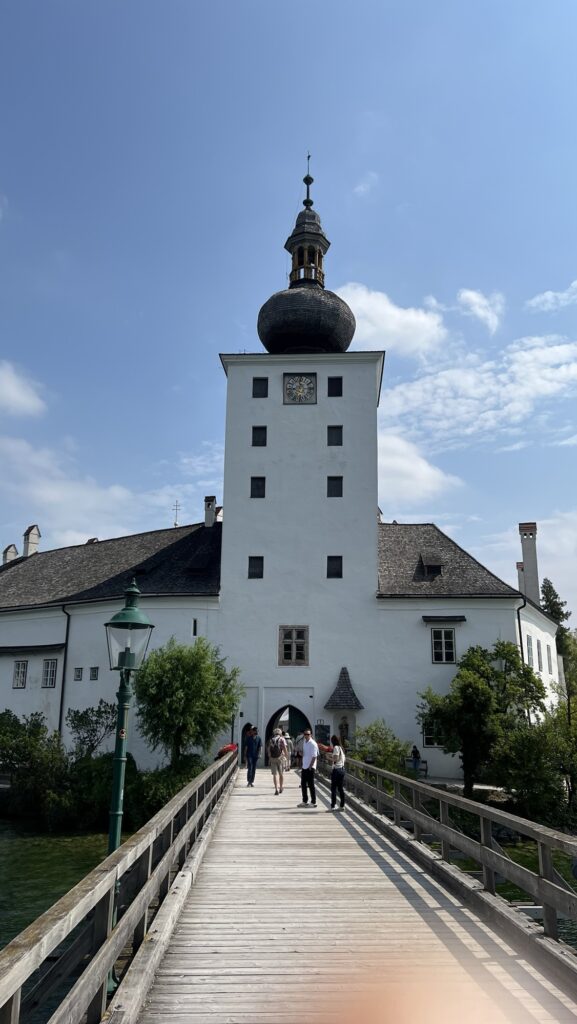
The castle has been a fortress, a noble residence, and now a venue for weddings and events. The TV series Schlosshotel Orth filmed here for years. But no camera really does it justice. You have to stand on that wooden bridge and feel the lake breeze.
👁 Vista & 🧭 Wander — Hallstatt
There are places that photographs have ruined — not because the photos are bad, but because they’re so good that you arrive expecting to have already been there. Hallstatt is one of those places. And yet, it still delivers.
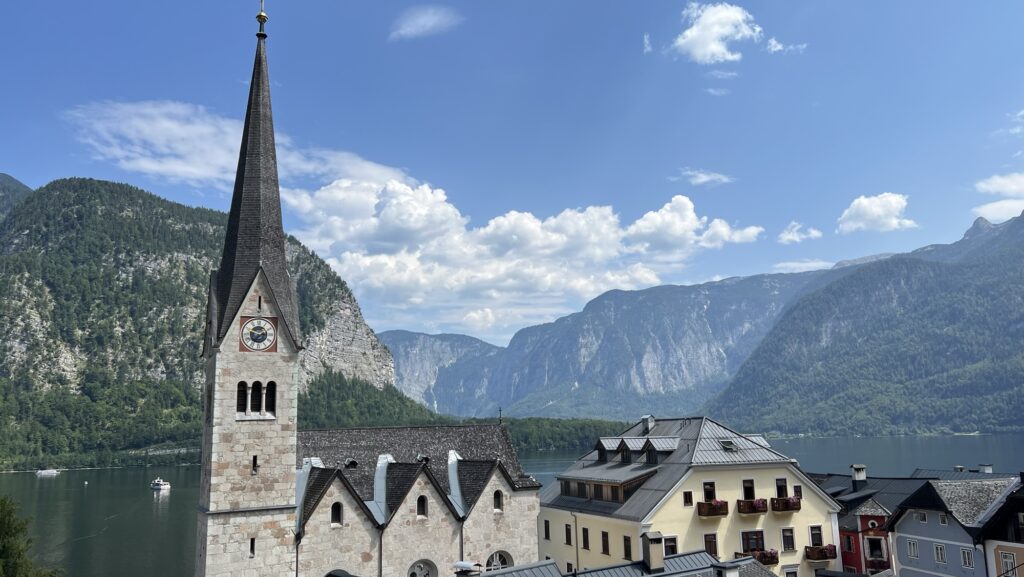
This tiny village of fewer than 800 residents clings to a narrow strip of land between the Dachstein Alps and Lake Hallstatt. Until 1890, the only way to reach it was by boat or via narrow mountain trails — houses were so tightly packed that access between them was by boat or through attic corridors. The first road was blasted into the mountainside just over 130 years ago.
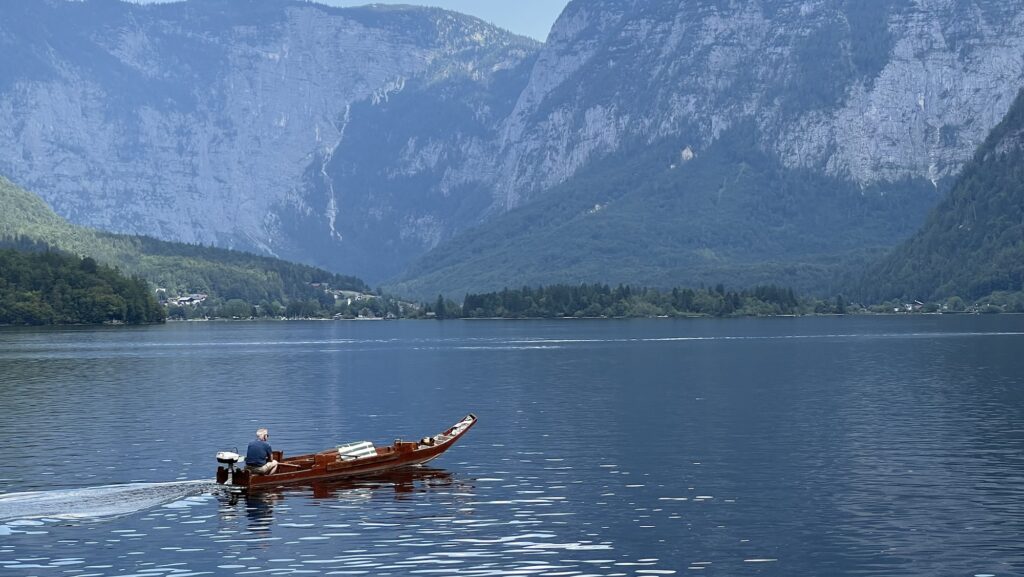
But Hallstatt’s isolation was the price of its treasure: salt. The Hallstatt salt mine is the oldest working salt mine in the world, with continuous production dating back 7,000 years. The wealth it generated gave its name to an entire archaeological culture — the Hallstatt Culture (c. 800–450 BC), the early Iron Age Celts who dominated central Europe. A bronze vessel with a cow and calf, a 2,800-year-old wooden staircase — the oldest in Europe — these were found here, preserved by salt.
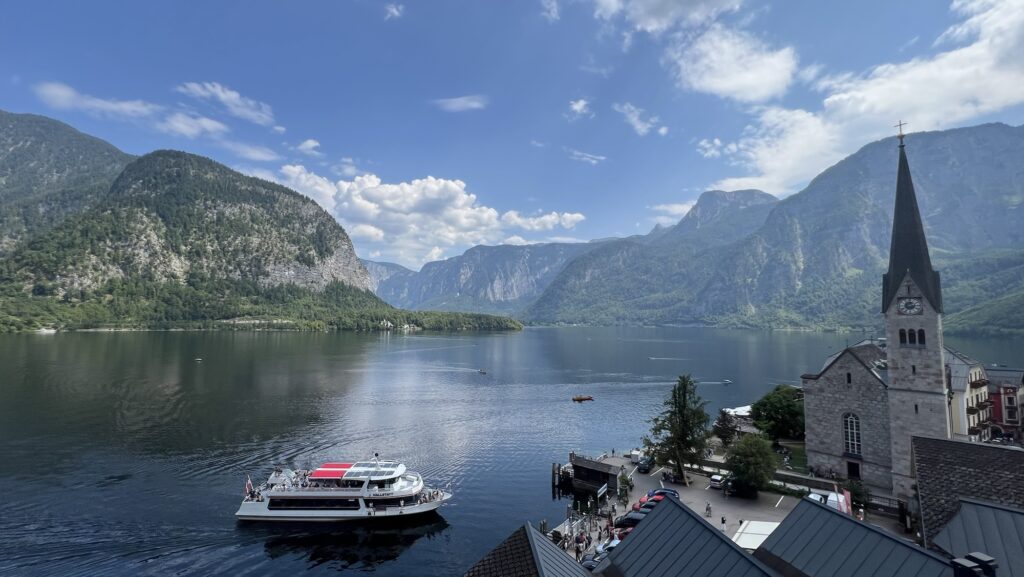
In 1997, UNESCO declared Hallstatt-Dachstein/Salzkammergut a World Heritage Site. The irony is that this recognition accelerated what has become one of Europe’s most famous cases of overtourism. In 2012, a Chinese mining company built a full-scale replica of Hallstatt in Guangdong province — pastel houses, church spire, lake, everything. The original now receives up to 10,000 visitors a day in peak season. The village has imposed bus limits and visitor caps. But on the right day, at the right moment, Hallstatt is still just a small village on a lake where salt made kings.
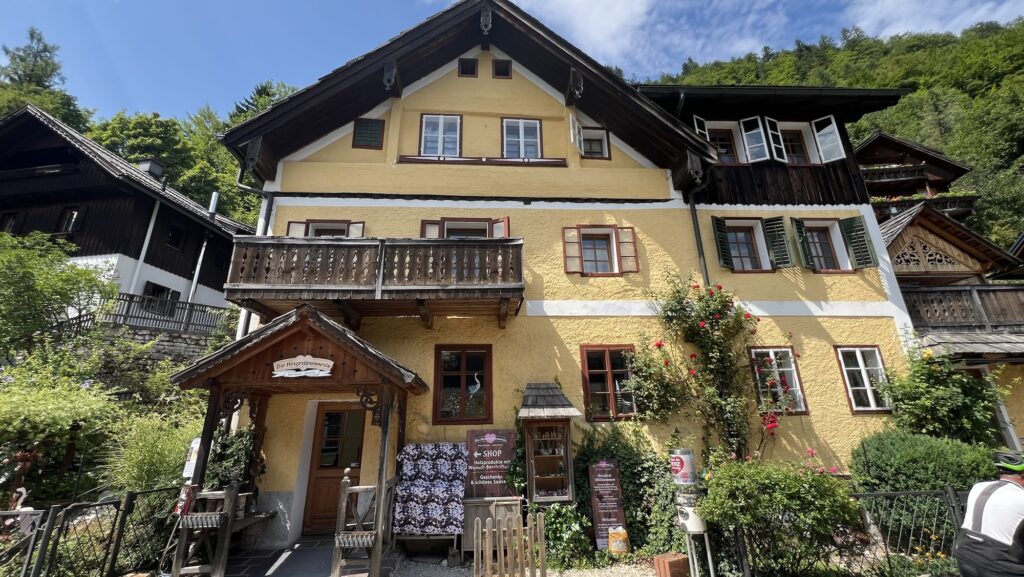
Sophi filled the drive with stories — about the salt barons, the prehistoric miners, the artists and writers who came in the 19th century and declared this the most beautiful lake in the world. A good guide doesn’t just tell you what you’re seeing. A good guide tells you why it matters.
👅 Palate — Lunch at Greenerbaum & Dinner at Landzeit Voralpenkreuz
Lunch at Greenerbaum Restaurant — the kind of meal where the view competes with the food and neither loses. The Salzkammergut is known for freshwater fish (the Traunsee and Hallstatt lakes produce excellent char and trout), hearty alpine fare, and pastries that remind you Austria and France share a border.
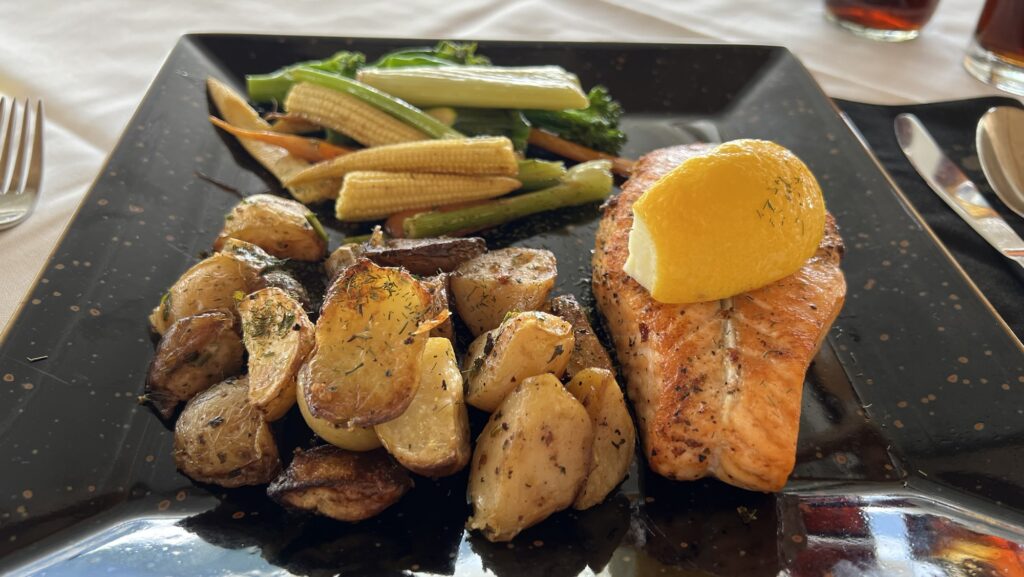
The return leg brought a stop at Landzeit Voralpenkreuz — another Landzeit, this time on the A9. After 550 km of driving, a good meal in a calm, clean Austrian rest stop feels less like convenience and more like civilization.
[Sensory notes to be added — what did you eat? The lake air? The salt mine smell?]
📡 Wander — The Speedtest Chronicle
Nine speedtests logged across the day — from 1.93 Mbps (KHM café) to 489 Mbps (Alpengarten). Austria’s mobile network is a patchwork of extremes: deep alpine valleys swallow signals, while open highways deliver blazing speeds. The eSIM tracker grows richer with every stop.
By the Numbers — Vienna Day 5
| Item | Amount |
|---|---|
| Breakfast | €5.85 |
| Groner Baum — lunch | €53.00 |
| Landzeit Voralpenkreuz — schnitzel & Coke (dinner) | €30.00 |
| Day excursion — tour guide Sophi | 100.00 USD |
| Day Total | €88.85 + 100 USD |
550 km, a thousand-year-old castle, the oldest salt mine in the world, and exactly one highway robbery schnitzel.
Leave a Reply